
In the last few years I have come upon the practice of Tai Chi. If you think “martial arts” when you hear that, we are not exactly on the same page. For extensive definitions and history I refer you to Wikipedia. My grasp is that over a long period of time the Chinese developed a concept of life energy called “chi” or “qi”. It exists everywhere including within us. Our “chi” flows through channels in our body. This belief is basic to Chinese medicine. At some point somebody figured out that a good understanding of this and the ability to concentrate it would be a useful weapon. This is the birth of Tai Chi the martial art. Refer to Wikipedia for various names and spellings.
At all times since the birth of the martial art there have been persons who practiced the forms for exercise and as a focus for the contemplative aspects of the activity. In this narrow aspect it can be compared to Yoga forms. There are forms of Tai Chi that involve swords and knives. I prefer the approach that we use our energy to divert our attackers energy.
I had seen references to the martial art in various films. When we had a layover in Hong Kong a morning walk showed a large school yard filled with people performing tai chi forms. The gym I belonged to at one time advertised a class on Monday mornings. That was before I retired so I only had one chance to try it out on a Labor Day holiday. There were only three students so I didn’t get a good taste. Yoga helped satisfy my taste for the unusual. Someone at church mentioned a Tai Chi class at the “Y” and I looked into this and found a membership was covered by my medicare advantage policy. It was to cover enrollment in a “Silver Sneakers” class but I only tried out the Tai Chi and was hooked.
The specific class was titled “Tai Chi for Arthritis”. This was a product of the Tai Chi for Health Institute. The Institute was formed by Paul Lam, MD. Dr. Lam is a family practitioner born in China who moved to Australia where he practiced western medicine. He had a life-long interest in Tai Chi. He was a leader in selecting Tai Chi movements as they might benefit given medical conditions. That is the basis for Tai Chi for Arthritis and Tai Chi for Diabetes among others. A more general application is Tai Chi for Energy. Each is adapted and instructed with a high degree of emphasis on safety and awareness of your surroundings and limitations.
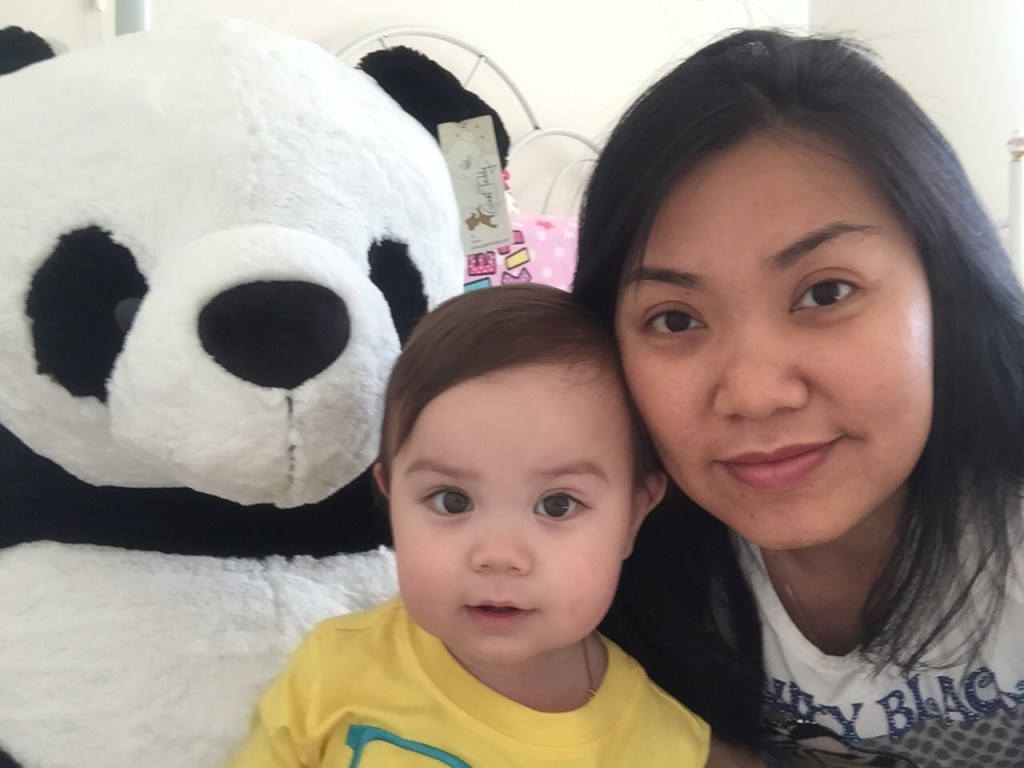
I am now certified to teach and enjoy the process. It also provides common ground with my Cantonese daughter-in-law and, if I live long enough, with my grandson.
 Clwyds World